9th of September 2025 | 8 min read
Time to take that bold leap and live life to the fullest
Caged Birds Call Flying a Sickness
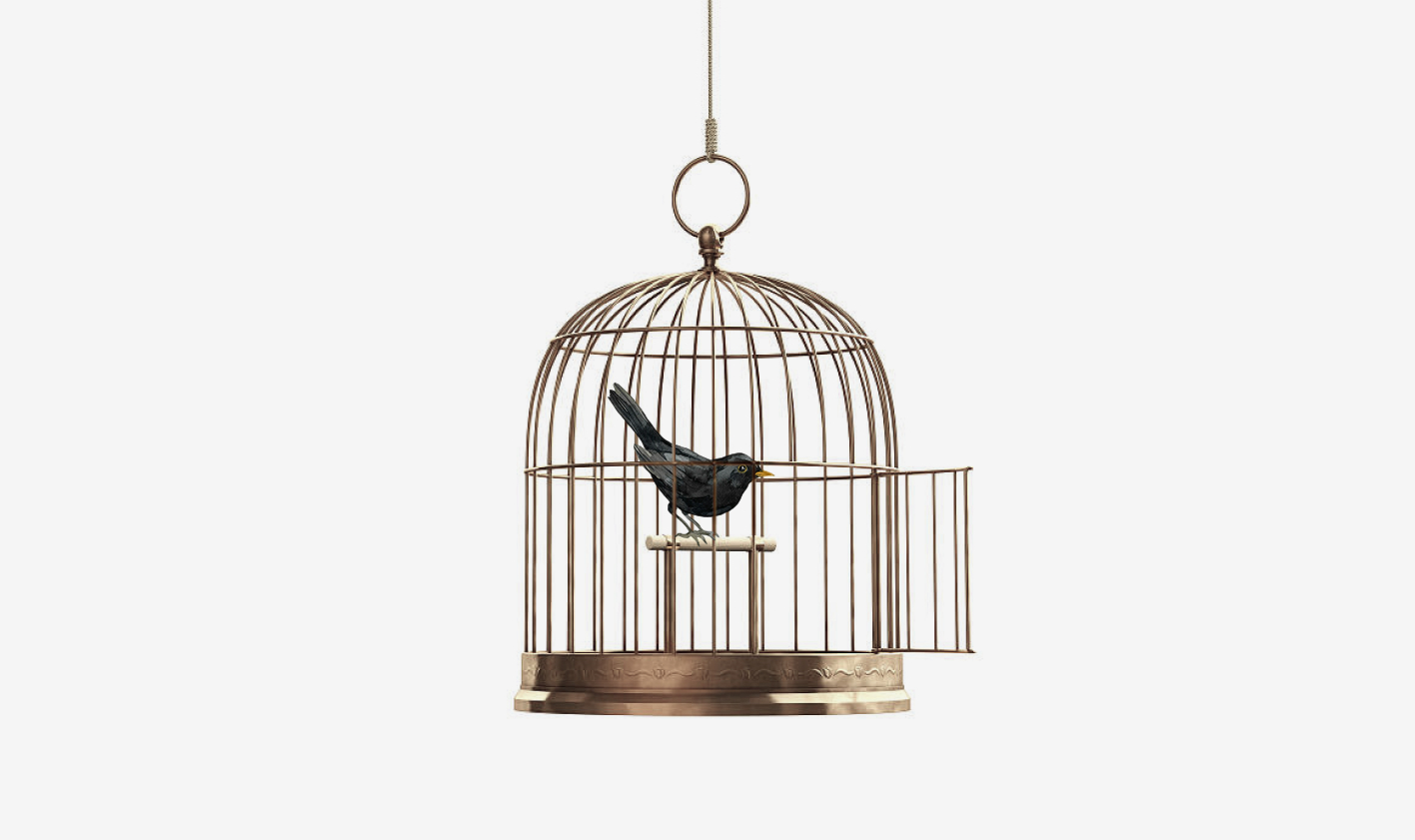
People often underestimate how comfortable confinement can feel. From early schooling to the workplace, most systems reward predictability, specialization, and adherence to a defined path. Following these structures can feel safe, even logical. The cage is rarely harsh; it is quiet, orderly, and familiar. Stepping outside is possible, but few notice the open door. It is easy to imagine the bird that has spent its life within bars, only gradually realizing that the sky is not inaccessible, only unfamiliar.
The discomfort comes less from the world beyond and more from leaving what is known. Familiarity offers a kind of reassurance, even when it limits growth. Systems teach this lesson efficiently: by rewarding those who stay small, who follow the rules, and who fit neatly into a prescribed lane. Freedom, by contrast, introduces uncertainty. The wider the sky, the more decisions there are to make, and the more potential for error or misstep. The bird outside the cage faces that uncertainty, and it can feel overwhelming precisely because it is not structured or predictable.
Yet these constraints are not absolute. Observing how some individuals navigate beyond them provides perspective. The door exists, often unnoticed, but it requires recognition. Leaving the cage does not guarantee effortless success or immediate clarity, and that is part of the point. Growth, exploration, and innovation demand engagement with complexity. They require a willingness to confront risk, ambiguity, and the unknown. What looks like recklessness may, in practice, be a considered navigation of options that the cage never allowed the bird to encounter.
In this sense, the cage is instructive. It clarifies what freedom costs and highlights the patterns of safety and comfort that so often dominate our choices. Not every bird—or person—will leave, and many may thrive within a smaller, predictable range. But the act of noticing the open door, of assessing the possibilities beyond it, reframes both the cage and the sky. The lesson is not that one must always fly, but that understanding the trade-offs between security and potential allows for more intentional decisions, whether to stay or to step into the wider expanse.
You Need Two to Tango
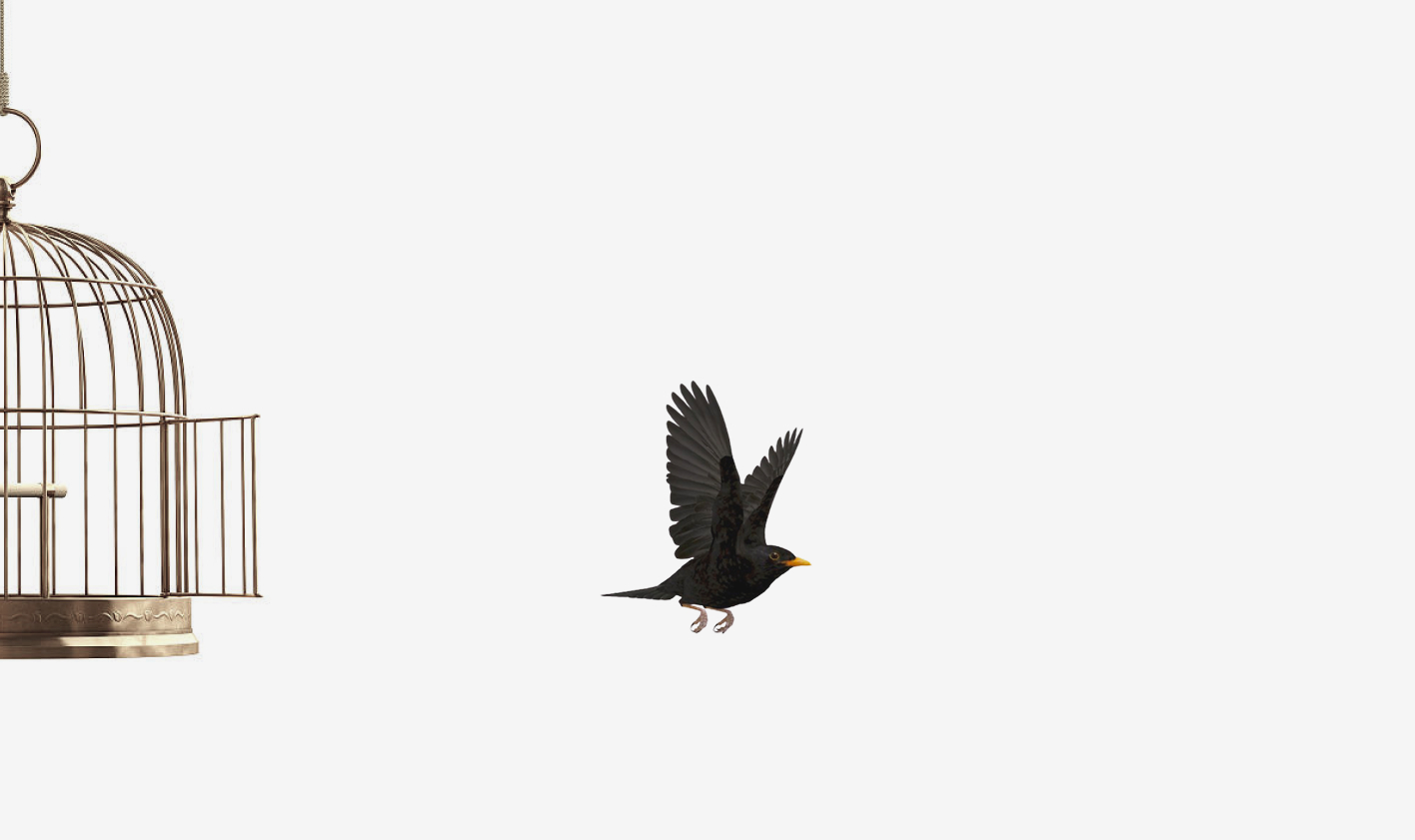
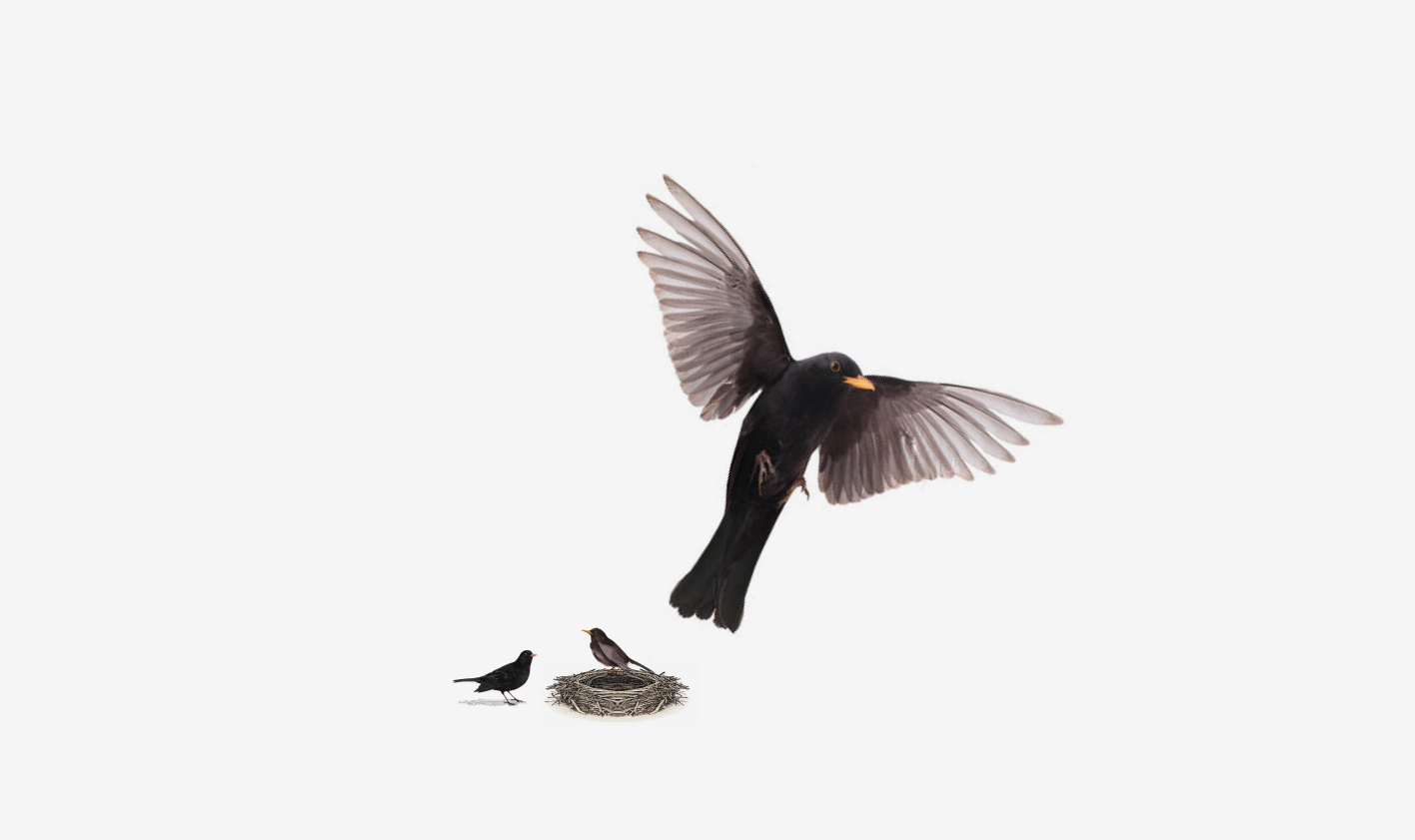
Freedom can feel vast and unstructured once the cage is left behind. The sky, which once seemed unreachable, is now fully present, and with it comes a new challenge: navigating that expanse alone. The very openness that promised possibility can quickly feel overwhelming, not because the world is limiting, but because human capacity for attention, judgment, and endurance is finite. In other words, the bird outside the cage is confronted not just by opportunity but by the responsibility of deciding how to move within it.
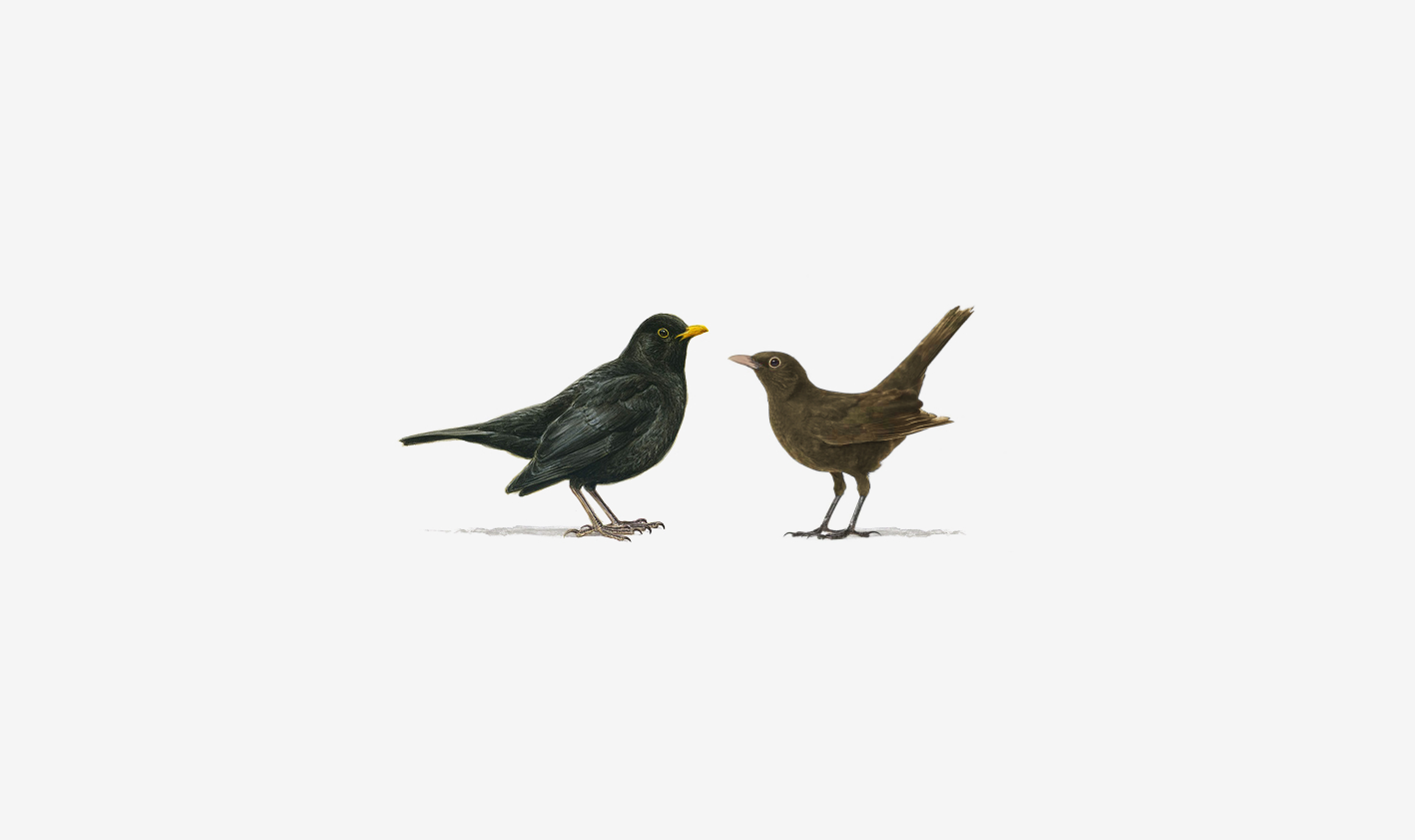
The myth of the solitary genius—the one who sees it all, does it all, and succeeds alone—is compelling, but it rarely aligns with reality. Complex tasks, creative projects, and meaningful work often require multiple perspectives, shared effort, and mutual accountability. Birds do not survive by flapping endlessly without support; similarly, humans thrive in collaboration. Partners help distribute risk, offer feedback that is difficult to see alone, and provide reinforcement when confidence falters. In practice, shared work often transforms potential overwhelm into sustainable progress.
Observing patterns of creative and entrepreneurial success reinforces this point. Individuals who attempt ambitious endeavors entirely on their own frequently experience fatigue, stalled progress, or compromised quality. Those who cultivate meaningful collaboration—mentors, peers, or co-creators—tend to sustain effort and refine ideas more effectively. The benefits are not purely practical: accountability, emotional support, and the ability to see oneself through another’s perspective all contribute to long-term resilience.
Partnership, then, is not about dependence; it is a mechanism for expanding capacity. The bird does not abandon independence by sharing the sky—it navigates it more safely and deliberately. Similarly, human projects and creative ambitions flourish when effort is distributed among complementary minds. The lesson is subtle but important: freedom does not equate to isolation, and navigating the unknown is rarely a solo endeavor. Recognizing the interplay between independence and collaboration allows one to take measured risks without being paralyzed by the immensity of possibility.
Hard Work Beats Talent
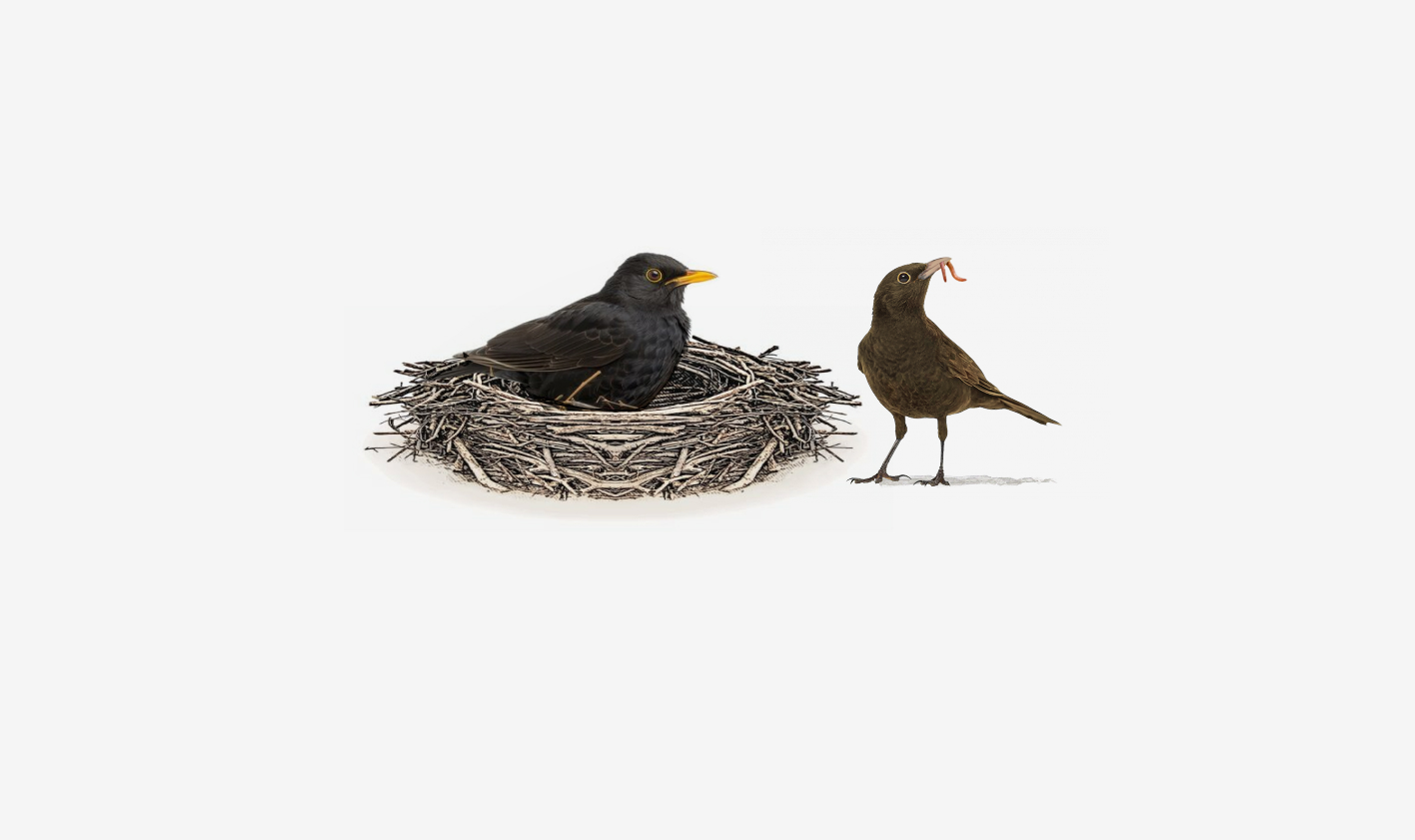
Once a nest has been established, the work of maintaining it begins. The eggs, fragile and full of potential, require sustained attention, just as any complex project or creative endeavor does. Initial excitement often gives way to routine demands and unforeseen challenges. The bird outside the cage may have the freedom to fly, but freedom alone does not hatch eggs. It is the steady, persistent care that determines whether potential transforms into tangible outcomes.
Observation suggests that effort and consistency frequently outweigh raw talent. A bird may be strong or naturally agile, but without attention to the nest, survival is not guaranteed. Similarly, human projects require disciplined, iterative engagement. Progress often happens quietly, away from recognition or immediate reward. The work can feel monotonous, and yet it is precisely this consistency that allows ideas, skills, or ventures to develop fully.
Collaboration remains a crucial factor during this stage. Partners share the burden of care, alternating between responsibilities to ensure that progress continues even when energy wanes. In human terms, this might mean delegating tasks, sharing accountability, or simply providing encouragement. Attempting the same effort alone magnifies the risk of fatigue and abandonment. Sustainable advancement emerges from a balance between individual persistence and cooperative support.
The incubation phase is rarely glamorous. There are moments when effort seems invisible, when progress feels imperceptible, and when patience is tested. Yet these phases often define long-term outcomes more than bursts of inspiration ever could. Work that appears small or incremental can compound over time, producing results far beyond initial expectations. The quiet diligence of sustained engagement is rarely celebrated, but it is essential.
Ultimately, the comparison between talent and effort is less about innate ability and more about endurance. Those who can maintain focus, respond to challenges, and remain committed despite uncertainty are often the ones who transform ideas into reality. Freedom, opportunity, and even creativity require follow-through. Without attention and persistence, potential remains unrealized, whether in the form of unhatched eggs, unfinished projects, or fleeting ideas.
Success Is Always Under Construction
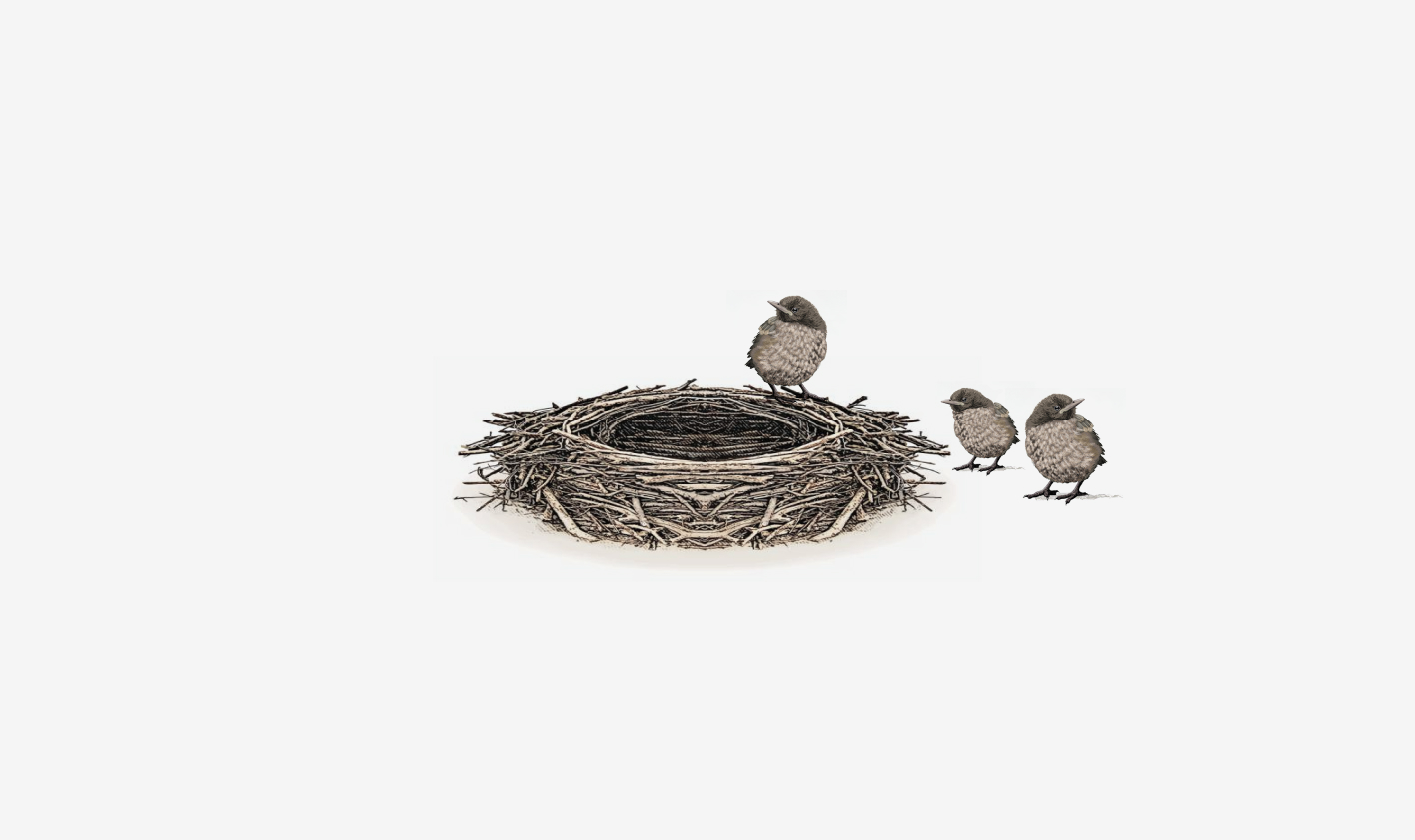
Even after the eggs have hatched, the work does not end. The arrival of the chicks changes the landscape entirely: care multiplies, attention is stretched, and new demands appear constantly. The environment that once allowed steady incubation now requires vigilance, adaptability, and prioritization. In human terms, reaching a milestone—completing a project, launching a venture, or achieving recognition—is rarely the final reward. It is the beginning of a new set of challenges.
Observation shows that early success often attracts attention, both supportive and competitive. Just as a nest draws predators or curious onlookers, accomplishments invite scrutiny, replication, and, sometimes, interference. Sustaining achievement requires anticipating these pressures, balancing protection of what has been built with continued innovation and adaptation. The bird must continue gathering food, adjusting the nest, and responding to threats, not because it enjoys the effort, but because the environment demands it.
This ongoing responsibility highlights a broader pattern: progress is rarely linear. Milestones are checkpoints, not destinations. Human endeavors mirror this dynamic. Recognition, followers, or measurable outcomes can create the illusion of completion, yet the underlying work—attention, care, refinement—remains essential. Losing focus or assuming stability can have tangible consequences, as momentum erodes when maintenance is neglected.
Collaboration and strategic support continue to play a role. Those who sustain effort effectively often rely on shared vigilance, whether through teams, mentors, or peers. Distribution of labor, perspective, and reinforcement allows long-term goals to remain viable even under pressure. Observing patterns in successful creative or professional ventures suggests that individuals who continue to adapt and protect their work, rather than assuming success guarantees stability, are the ones who endure.
In this way, success is never truly “arrived at.” It is an ongoing construction project, requiring awareness, adaptation, and diligence. The birds that manage to keep the nest viable, even as the world changes around them, illustrate the balance between achievement and maintenance. In human endeavors, understanding that each milestone brings new demands, rather than finality, allows for more measured, sustainable engagement with progress, creativity, and ambition.
A Free Bird Doesn’t Notice Its Wings
The cycle comes full circle once the chicks take flight. The nest that once demanded every ounce of attention is now occupied by fledglings navigating the air on their own. From a distance, freedom can look effortless. The wings are there, the sky is open, and the lessons of struggle seem distant. Yet observation suggests that the moment of perceived mastery is often when oversight and complacency quietly creep in. Success, once fully realized, carries its own subtle risks.
Freedom, in this context, is not a static reward. Birds that have never experienced confinement may not recognize the value of the sky—they simply inhabit it. Similarly, humans who inherit opportunity, resources, or creative space without having earned it may take it for granted. The challenge lies not in achieving freedom but in sustaining it, appreciating it, and guiding the next generation to do the same. Awareness of what was required to reach this point becomes critical; otherwise, the structures that enabled growth can be slowly eroded.
Patterns across creative, professional, and social endeavors reinforce this. Achievements that are unexamined, privileges that are assumed, and systems that are taken for granted often decay silently. Vigilance, reflection, and intentional action are necessary to ensure that gains endure beyond immediate accomplishment. Complacency may not appear threatening, yet over time it can narrow the horizon in ways that are difficult to reverse. The open sky, once expansive, can shrink unnoticed.
This stage underscores the broader principle that responsibility accompanies autonomy. The freedom to explore, create, and innovate is valuable precisely because it is not guaranteed. Observing how successive generations interact with inherited opportunity demonstrates that awareness and stewardship are as important as effort and skill. Teaching the fledglings to value the sky, to recognize its limits and possibilities, becomes part of sustaining progress, creativity, and agency.
Ultimately, the flight of the young birds is both an achievement and a reminder. The work of care, focus, and intentionality does not end with visible success; it evolves. Those who recognize the value of freedom, maintain attention to its maintenance, and prepare others to navigate it responsibly are the ones whose accomplishments endure. In both nature and human endeavor, wings alone are not enough; the awareness to use them wisely is what allows flight to continue generation after generation.