4th of March 2025 | 7 min read
The higher you rise, the greater the potential fall
The Paradox of Visionary Thinking
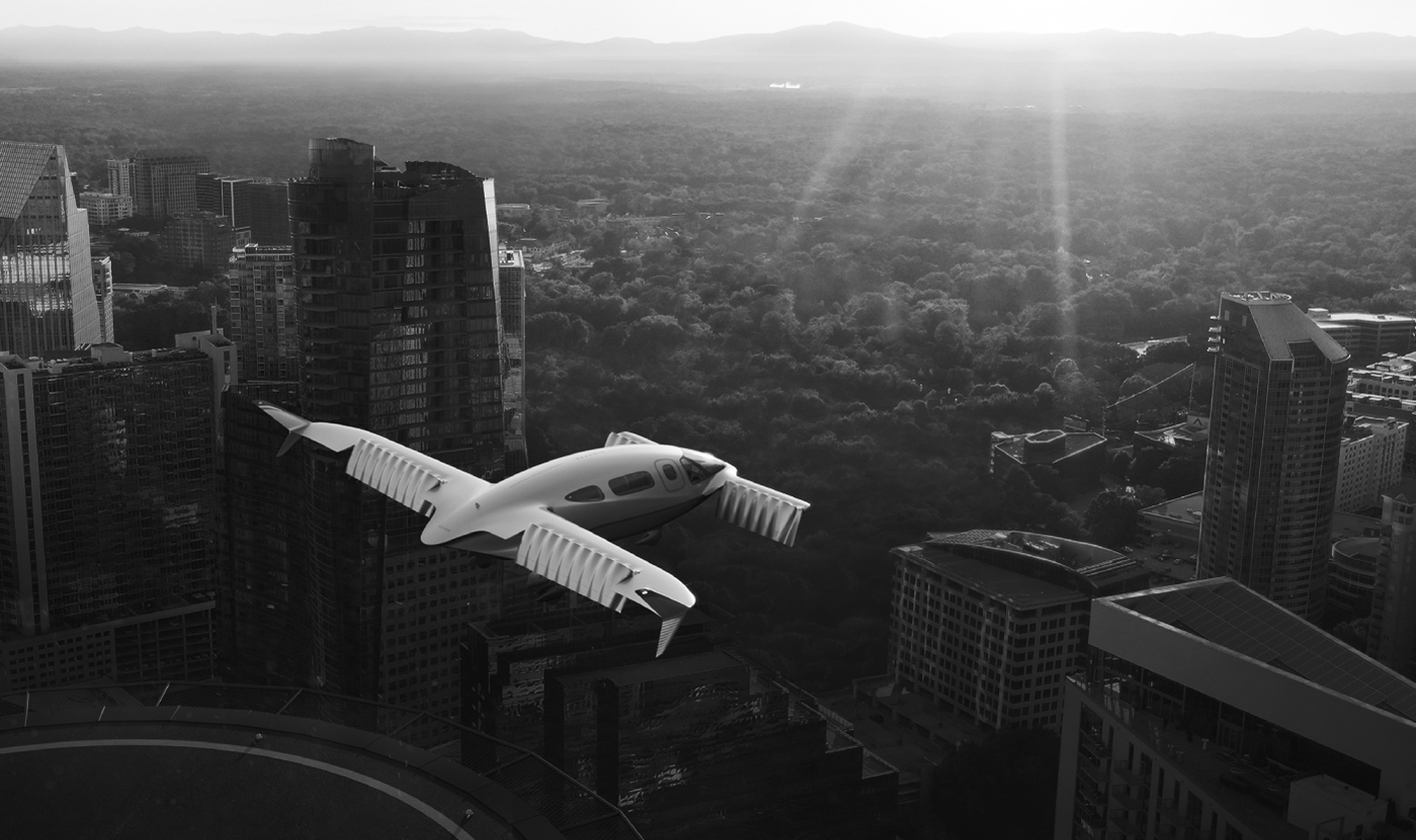
The sleek render of Lilium's electric jet soaring above Munich's skyline captured everything we love about audacious innovation: clean lines cutting through clouds, the promise of sustainable regional air travel, a future where commutes measured in hours shrink to minutes. It was intoxicating. And that's precisely what made it dangerous.
There's something magnetic about grand visions. The startup world thrives on them: those moonshot ideas that promise to reshape entire industries. And we need that kind of ambitious thinking. Without it, we'd still be stuck with flip phones and horse-drawn carriages. But here's the paradox: the same qualities that make someone a visionary can also become their greatest vulnerability.
The line between breakthrough innovation and catastrophic failure is razor-thin, and it often comes down to how well founders can balance their soaring vision with grounded reality. I witnessed this with Lilium firsthand. I worked on their digital platform, designing the passenger experience from booking through in-flight support. The vision was stunning. The technology was ambitious.
Then, in October 2024, the company filed for insolvency.
Here's where it gets interesting: as a designer, my work on that platform was exactly what it needed to be. It was thoughtful, seamless, human-centered. The company's collapse had nothing to do with the quality of the passenger experience we created. Running a company involves infinitely more complexity than designing an interface. Yet there's this strange psychological trap that creatives fall into: we tie our identity so closely to the projects we work on that when they fail, we feel like we've failed too.
That's why most portfolios are curated highlight reels. Nothing but wins, nothing but success stories. It's protective. If you only show what succeeded, you never have to confront the uncomfortable reality that sometimes you do excellent work for ventures that still collapse. But that logic is backwards. The failure of a business doesn't retroactively erase the value of the work you contributed. And pretending otherwise doesn't make you look professional. It makes you look dishonest.
Lilium's story isn't simply about deception or delusion. It's about what happens when you bet everything on a future that never arrives. And understanding why brilliant people make catastrophic decisions teaches us more than studying their successes ever could.
When the Bet Doesn't Pay Off
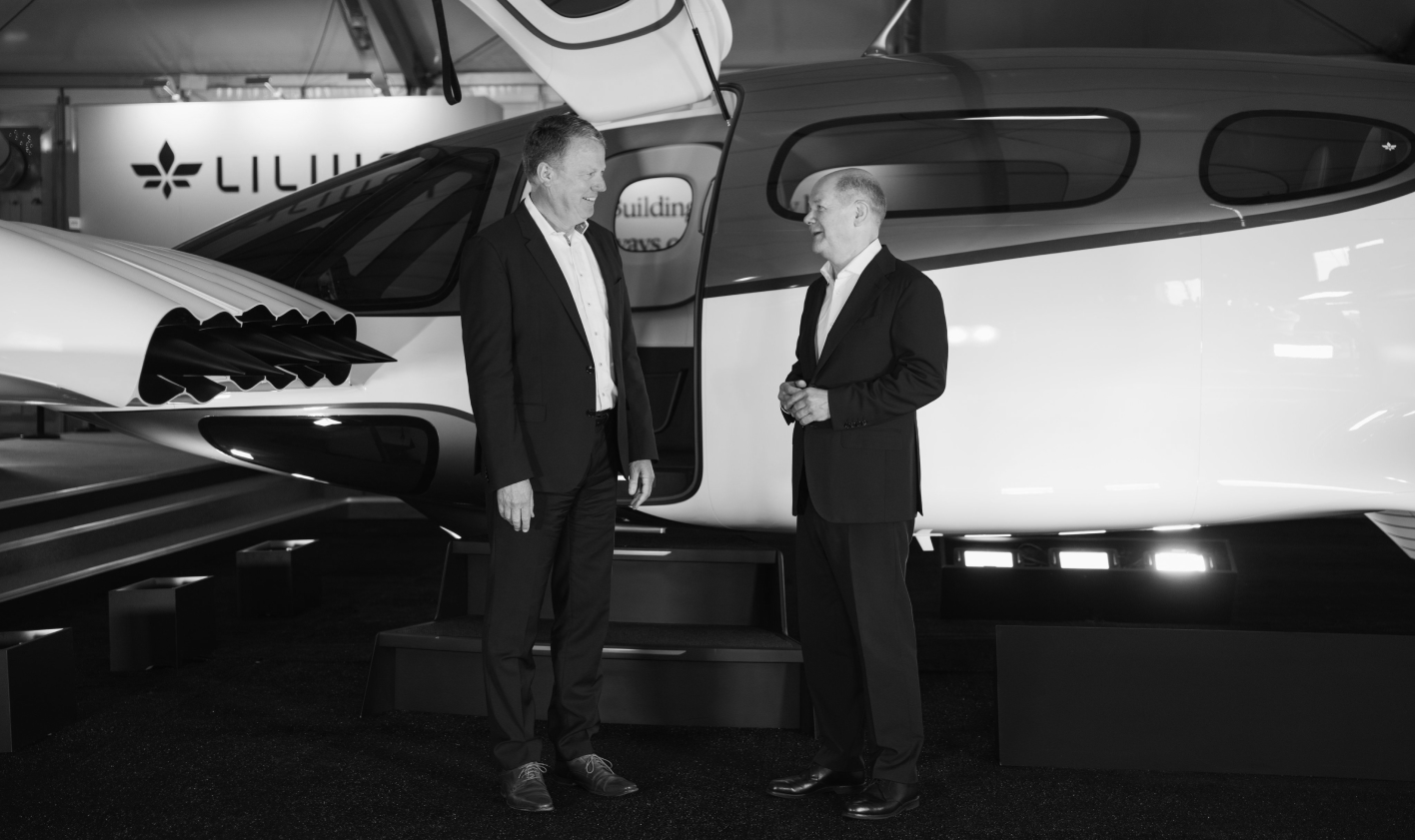
The photograph of Lilium's CEO Klaus Roewe standing next to Olaf Scholz at ILA Berlin tells you everything you need to know about the final act. Two men in suits, smiling for cameras at Germany's premier aerospace exhibition, projecting confidence and national pride in homegrown innovation. The former German Chancellor lending credibility to the veteran Airbus engineer who would revolutionize electric aviation. Except behind the polished presentation, the fundamental physics hadn't changed. The jet could barely stay airborne for 10-15 minutes. The battery technology they'd wagered the entire company on simply didn't exist yet.
This wasn't a case of incrementally missing targets or facing unexpected headwinds. This was a strategic foundation built on wishful thinking. Lilium's entire business model hinged on one critical assumption: that battery energy density would evolve exponentially, and by the time they had a working prototype, the technology would catch up to make it viable. It was a moonshot bet, literally staking hundreds of millions of dollars and thousands of engineering hours on batteries that existed only in optimistic projections.
And when those batteries didn't materialize? Instead of transparency, instead of pivoting or acknowledging the gap between vision and reality, leadership doubled down. Photo opportunities. Media tours. Government lobbying for emergency loans. The spectacle continued even as the fundamental problems remained unsolved.
Here's what makes this particularly perplexing: Klaus Roewe came from Airbus, where he led development of the A320 family, one of the most successful commercial aircraft programs in history. Airbus doesn't operate on hope. It operates on rigorous validation, exhaustive testing, and conservative margins for error. You don't put passengers in the air on optimistic assumptions about future battery chemistry. You build what works, then you iterate.
So what happened? How does someone with that pedigree, that institutional knowledge of aerospace rigor, end up leading a company predicated on technology that didn't exist?
The truth is, Roewe joined Lilium later in its trajectory. He wasn't a founder, but someone brought in to add credibility and operational expertise to a vision already in motion. He inherited the bet. And rather than force a reckoning with reality, he chose to believe the narrative. Or perhaps more generously, he believed his expertise could somehow bridge the gap between what existed and what was needed. Either way, the result was the same: credibility theater replacing honest assessment.
This is the uncomfortable part that the startup world doesn't like to discuss. We celebrate founders who "never give up," who "persist against all odds," who "believe when no one else does." And sometimes, that conviction births miracles. But sometimes (often, actually) it just postpones the inevitable while burning through resources, careers, and trust. The line between visionary persistence and reckless delusion isn't always clear from the inside. Especially when the entire ecosystem (investors, media, government) is incentivized to keep the story alive just a little bit longer.
The Descent
This is what failure feels like when it finally arrives. Not the gradual decline you might have prepared for, but the sudden recognition that you've been falling for a while. You just didn't want to believe it. The lift is gone. The thrust has failed. And the only thing left is the descent.
For the entrepreneurs caught in this moment, the psychological vertigo is profound. You've staked everything on a vision that's now disintegrating in real-time. Your reputation, your relationships, your sense of self. The investors who believed in you are watching their capital evaporate. The employees who trusted you are updating their LinkedIn profiles. The media that celebrated your ambition is now writing post-mortems about what went wrong.
But here's what I've learned through my own journey of setbacks and reinventions: this freefall, as terrifying as it feels, is where transformation actually begins. Not in the triumphant launch. Not in the glowing press coverage. But in the sickening moment when you realize the wings you built won't hold you.
Because that's when the real work starts. Not the work of pitch decks and press releases, but the interior work of examining what you believed and why. Of separating the vision that was worth pursuing from the delusion that kept you from seeing clearly. Of asking yourself the hardest question: were you building something the world needed, or were you building something your ego needed?
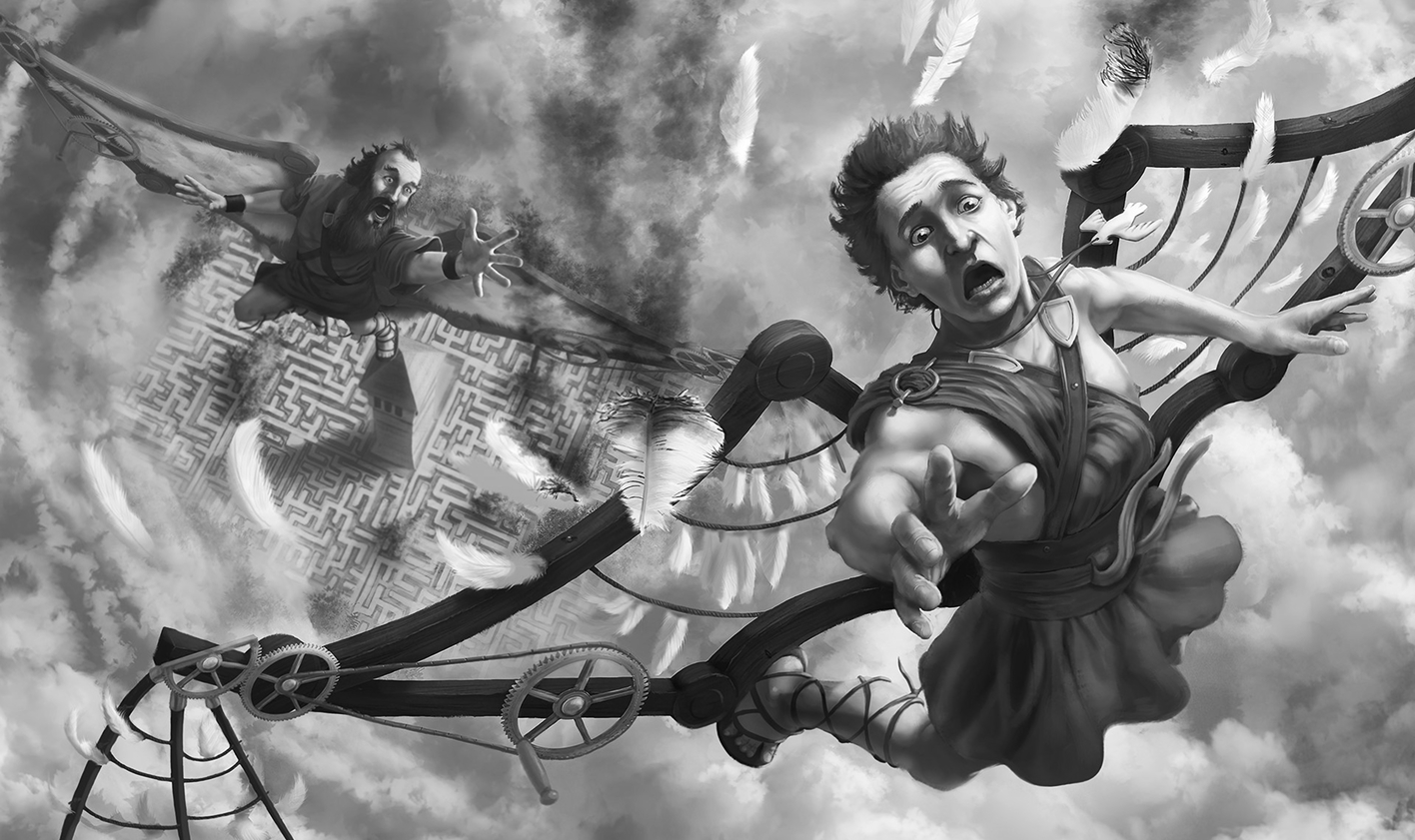
In Markus Stadlober's striking illustration of Icarus falling, you see the exact moment when mythology becomes physics. The wax has melted. The feathers scatter. Gravity, patient and implacable, reclaims what ambition borrowed. There's no villain in this image, just a figure tumbling through empty sky, learning too late that desire alone cannot suspend the laws of nature.
When you embrace what I call the Modern Renaissance Thinker mindset, you accept that mastery across disciplines means inevitable failure in some of them. Leonardo da Vinci's notebooks are filled with unfinished projects, abandoned experiments, and designs that never left the page. We don't judge him by his completion rate. We marvel at his willingness to explore the edges of what was possible, knowing most of those explorations would lead nowhere.
The entrepreneurs who survive their Icarus moment share a common trait: they stop fighting the fall. They stop desperately flapping broken wings, trying to will themselves back into the sky. Instead, they use the descent to see clearly, perhaps for the first time. What was real? What was theater? What can I carry forward, and what needs to burn away?
This isn't resignation. It's wisdom. As Daniel Kahneman demonstrated throughout his career, our worst decisions come when stress and fear override our judgment. The antidote isn't frantic action to "save" what's already lost. It's the courage to be still, to assess honestly, and to accept that this chapter has ended so the next one can begin. The failure is refusing to learn from it.
The World Moves On
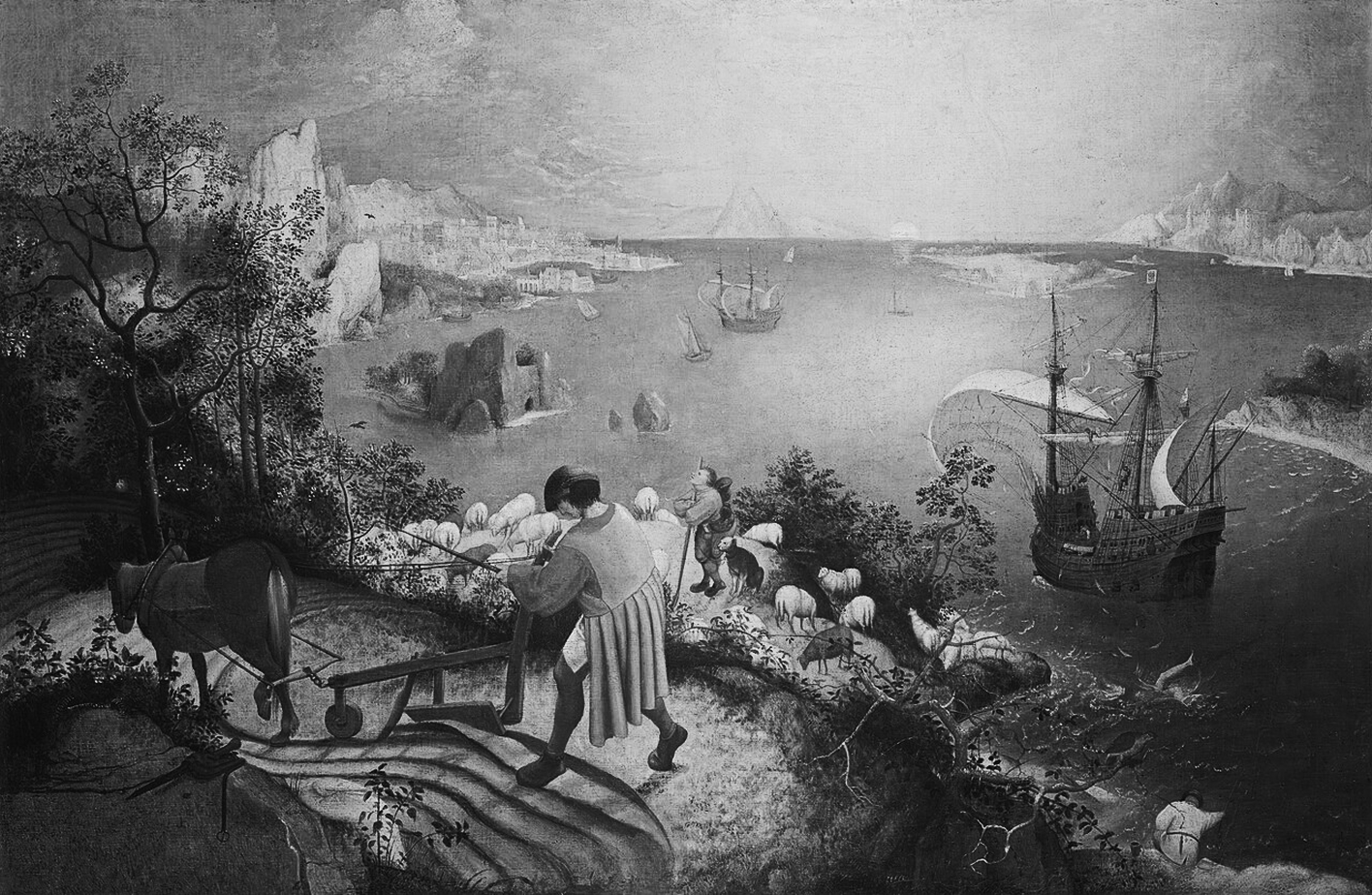
In Pieter Bruegel the Elder's "Landscape with the Fall of Icarus," you have to look carefully to even find the tragedy. There, in the lower right corner, just a pair of pale legs disappearing into the sea. Meanwhile, a farmer guides his plow across the field. A shepherd tends his flock. Ships sail peacefully toward the horizon. The sun continues its arc across the sky, indifferent to the ambition drowning in the bay.
This is the perspective that changes everything: your catastrophic fall is just Tuesday for the rest of the world.
Nobody carries your failure but you. The investors move on to the next deal. The employees find new roles. The media shifts attention to the next big thing. The government that almost wrote you a €100 million check? They're already in meetings about other companies, other industries, other crises. Your moment of maximum drama is, for everyone else, just background noise in an ordinary day.
And here's the liberation in that: if no one else is dwelling on your failure, why should you?
This is precisely why I've chosen to feature Lilium prominently in my portfolio. Not as a confession or an apology, but as evidence of the kind of ambitious, transformative work I believe in. The work that challenges the status quo, that requires courage alongside craft, that recognizes failure not as an ending but as an essential chapter in any creative life worth living.
Some advisors suggested I remove it. Why showcase a failed project? Won't it damage your credibility? But that perspective misses the entire point. Curating a highlight reel of unbroken success doesn't signal excellence. It signals either extraordinary luck or dishonest editing. Neither builds trust with the kind of forward-thinking creatives and entrepreneurs I want to work with.
And that's the real lesson worth sharing: there is no progress without cost. Every innovation that succeeds is built on a foundation of experiments that didn't. Every breakthrough is surrounded by a graveyard of broken assumptions. The startup world needs fewer fairy tales about genius founders who never stumble, and more honest conversations about what transformation actually requires.
Lilium blazed a trail that future aviation startups will follow. They proved certain technologies, attracted world-class talent, pushed regulatory boundaries, and advanced the conversation about sustainable regional air travel. That their particular bet didn't pay off doesn't mean it wasn't worth making.
So yes, I'm keeping Lilium in my portfolio. Not as a monument to failure, but as a reminder that the higher you rise, the greater the potential fall. And also, the more you learn on the way down. The farmer keeps plowing. The ships keep sailing. And those of us who fell? We dry off, extract the wisdom, and get back to work.
Because at the end of the day, the only real failure is pretending you never fell. The rest is just material for your next ascent.